On this page
- What ATS Does With Your Customer Service Resume
- The Keywords That Score Zero
- Hard-Skill Keywords That Actually Score
- Platform and Tool Keywords: Name the Software
- Metrics Keywords: CSAT, NPS, FCR, and AHT
- Keywords by Role: CSR, Customer Success, and Support Lead
- Where to Place Keywords for the Highest Score
- Frequently Asked Questions
Customer service resume keywords are the most diluted in any job category. Every CS resume lists "communication," "problem-solving," and "empathy." The algorithm has seen those phrases on every application in the pile, learned they're universal, and stopped counting them.
Your keywords are there. They're just not scoring.
This guide covers the customer service resume keywords that ATS systems actually pull into scoring: specific tool names, metric abbreviations, and role-defined phrases that separate you from the other 200 applicants who also wrote "strong communicator." (The U.S. Bureau of Labor Statistics counts over 3 million customer service representative jobs in the U.S. — making it one of the most applied-to and ATS-screened categories in the labour market.)
What ATS Does With Your Customer Service Resume
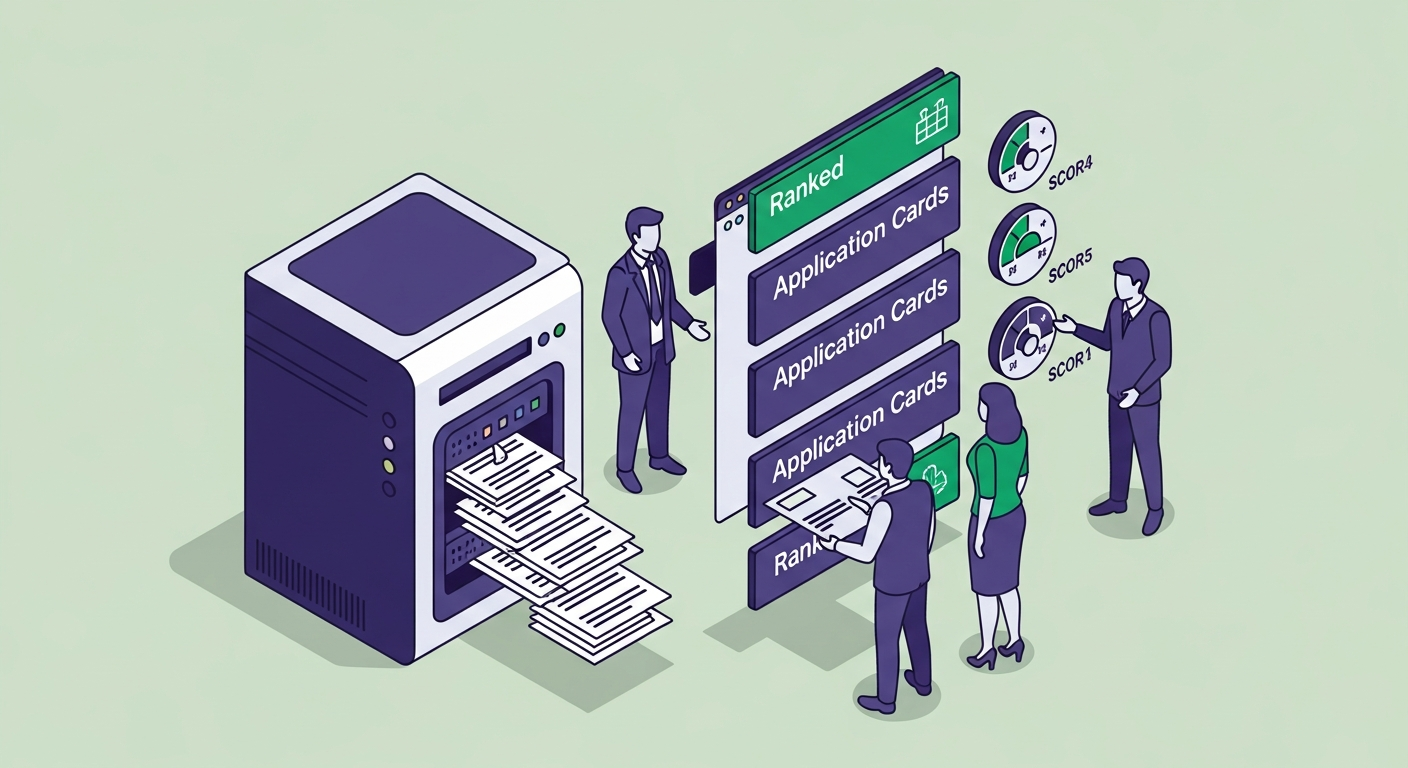
When your resume hits an ATS — Greenhouse, Workday, Zendesk Recruit, or any of the others — the parser extracts structured data: job titles, employer names, dates, education, and text from your skills section and experience bullets. It then runs a keyword-matching pass against the job description.
The match is exact. "Customer satisfaction" is not the same as "CSAT." "Conflict de-escalation" is not the same as "conflict resolution." Two phrases, same meaning to a human, different scores from the algorithm. (I know. I didn't make the rules. I just spent years watching people fail them.)
Workday is used by 45%+ of Fortune 500 companies. Most customer service jobs at mid-to-large businesses go through it. The parser does not care that "empathy" and "emotional intelligence" are roughly synonymous. It found one, not the other, and scored accordingly.
The job description is the answer key. Your resume is the test. Customer service roles have among the longest, most generic job descriptions in any industry — which makes the keyword problem worse, not better, because the specific terms that score get buried under paragraphs of vague requirements.
A recruiter at a mid-size company described her process: she opens Greenhouse, sorts by ATS score, reads the top 15. The cutoff is roughly 65/100. Anyone below that score is never opened. Not because they weren't qualified — but because the queue is too long to read past position 15. The algorithm sorted them before she arrived.
The Keywords That Score Zero (And Fill Every CS Resume)
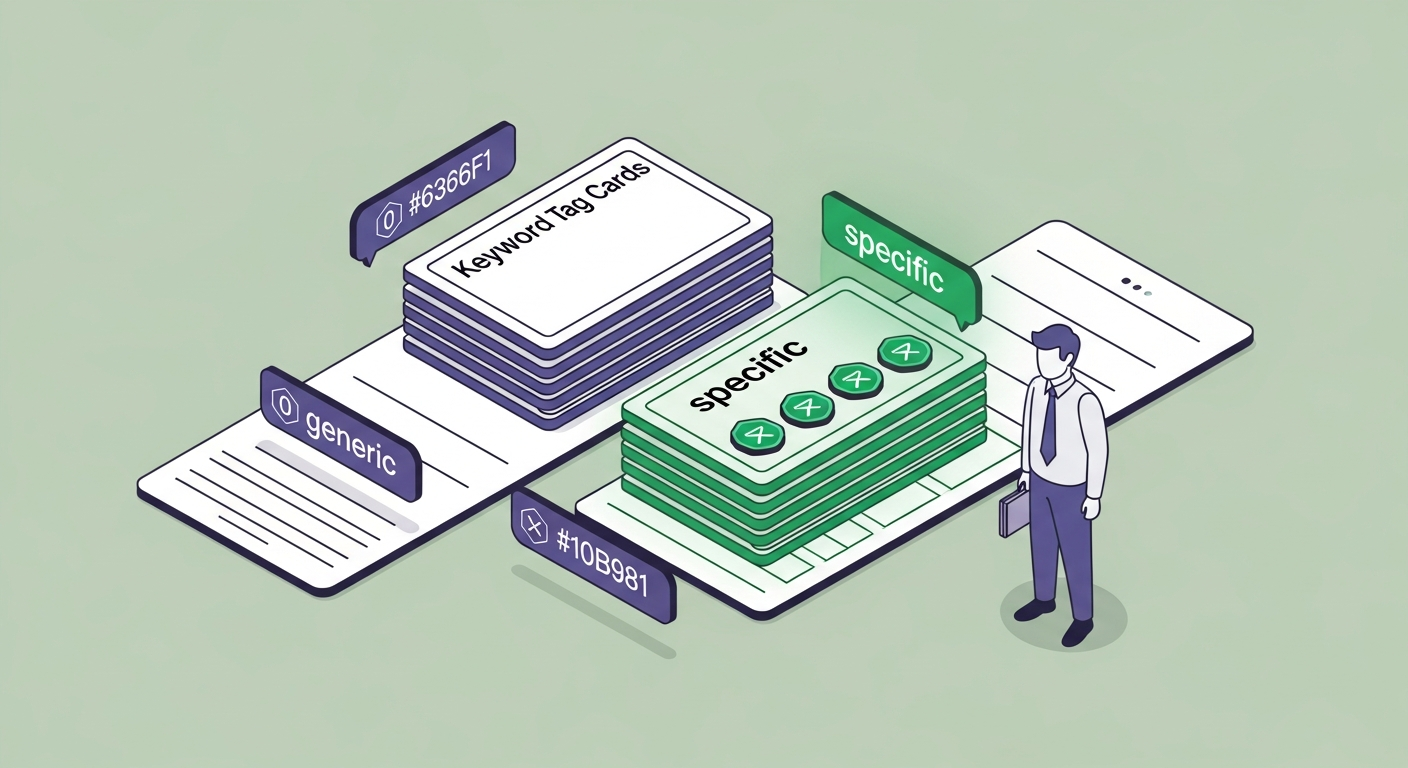
Here is the most predictable problem with customer service resumes: they all list the same soft skills, and those soft skills score close to zero on every major ATS platform.
The following phrases appear on the majority of customer service resumes. They also score nothing meaningful:
- Communication skills — too vague to extract as a keyword
- Problem-solving — universal; 90%+ of resumes include it
- Empathy — unmeasurable; the algorithm has none (the irony is not lost on me)
- Team player — the most submitted and least useful phrase in resume history
- Attention to detail — same
- Customer-focused — too generic to differentiate one applicant from another
- Multitasking — lists well, scores poorly
- Positive attitude — never appeared in a job description's structured requirements field
None of these are lies. They may all be true. But when 90% of the applicant pool uses them, the ATS has no way to use them to rank one candidate above another — so it doesn't try.
ATSFixer data shows that resumes with a dedicated hard-skills section score an average of 10–15 points higher on ATS screening than equivalent resumes without one. The mechanism is simple: hard skills are extractable, matchable, and differentiating. Soft skills listed in the skills section are none of those things.
The fix isn't to remove soft skills entirely — it's to prove them in your bullets and save your skills section for keywords that actually score.
A customer service representative once changed two phrases on her resume — "conflict de-escalation techniques" to "conflict resolution" and "client relationship management" to "CRM" — to match the exact language in the job description. Same experience. Different vocabulary. She got the interview. The prior version had been submitted to 14 similar roles without a response.
Hard-Skill Keywords That Actually Score
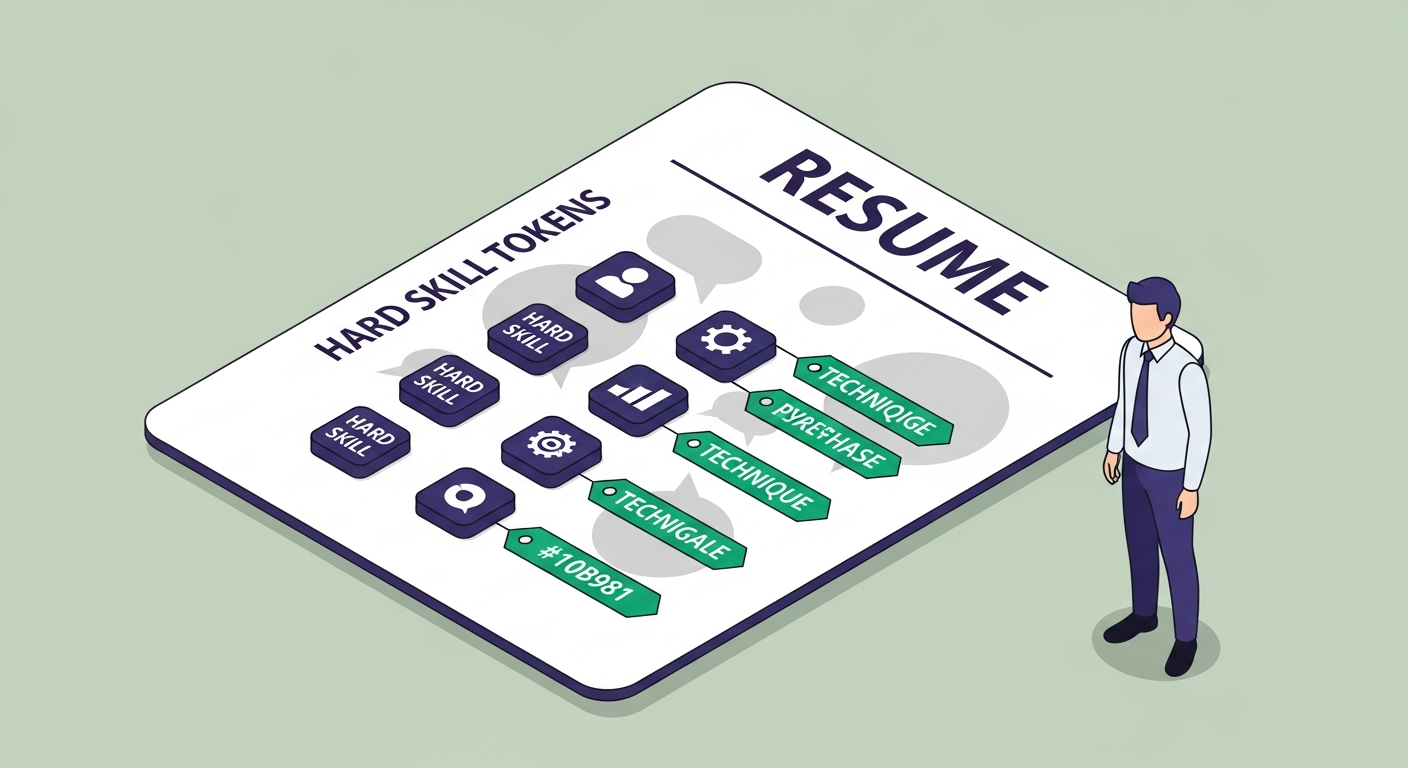
These are terms ATS parsers extract, match, and weight. Use the exact spelling and abbreviation from the job description — not a synonym, not a paraphrase.
Core Technical Skills
- Ticket management
- Case management
- Escalation management
- Live chat support
- Email queue management
- Inbound call handling
- Knowledge base management
- Quality assurance (QA)
- SLA compliance
- Omnichannel support
- Complaint handling
- Order management
- Returns processing
Communication Methods That Parse
"Communication skills" scores zero. These specific phrases extract cleanly because they're named techniques, not personality traits:
- Active listening
- Conflict resolution
- De-escalation techniques
- Written communication
- Verbal communication
- Customer retention
- Upsell and cross-sell
The difference matters. "I'm good with difficult people" can't be indexed. "De-escalation techniques" can, and it appears in job descriptions for support roles constantly.
To be clear: soft skills still belong on your resume. They just belong in your experience bullets as proof, not your skills section as claims. "Reduced escalations by 30% through structured de-escalation techniques" proves communication skills more convincingly than listing them — and it hits the keyword at the same time. Two for one.
Free ATS Score Check
Your result looks like this —
get yours in 30 seconds.
Drag & drop your resume here
PDF or Word · max 10 MB
Results in under 30 seconds · no sign-up required

Platform and Tool Keywords: Name the Software
This is the section most customer service applicants skip — and it's where the score gap gets widest.
Hiring managers list specific platforms in job descriptions. ATS systems match them exactly. If you've used Zendesk but wrote "ticketing software" on your resume, you score zero for the Zendesk requirement. The parser is looking for the word "Zendesk." It found "ticketing software." These are not the same thing to an algorithm, even though they describe the same Monday morning.
List every platform you've used, by name. If a prominent tool in the job description is one you haven't used, that's a signal about where to focus your skills development — not a reason to fudge it.
CRM and Ticketing Platforms
- Zendesk
- Salesforce Service Cloud
- Freshdesk
- HubSpot Service Hub
- Intercom
- Kustomer
- ServiceNow
- Jira Service Management
- LiveAgent
- Zoho Desk
Call Centre and Communication Platforms
- Five9
- RingCentral
- Genesys
- Twilio Flex
- Avaya
- NICE CXone
- Amazon Connect
The call centre platforms are especially differentiating for phone-heavy roles. Most applicants don't name them even when they've used them for years — usually because they didn't know the software name, only the interface. Check your old employer's tech stack if you're unsure. LinkedIn job postings from that company will usually name it.
General Productivity Tools Worth Naming
- Slack
- Microsoft Teams
- Google Workspace
- Notion
- Confluence
These score less than CRM platforms but still score. "Microsoft Office" is fine. "Google Workspace" is better than "Google tools." Specificity is always the right direction.
Metrics Keywords: CSAT, NPS, FCR, and AHT
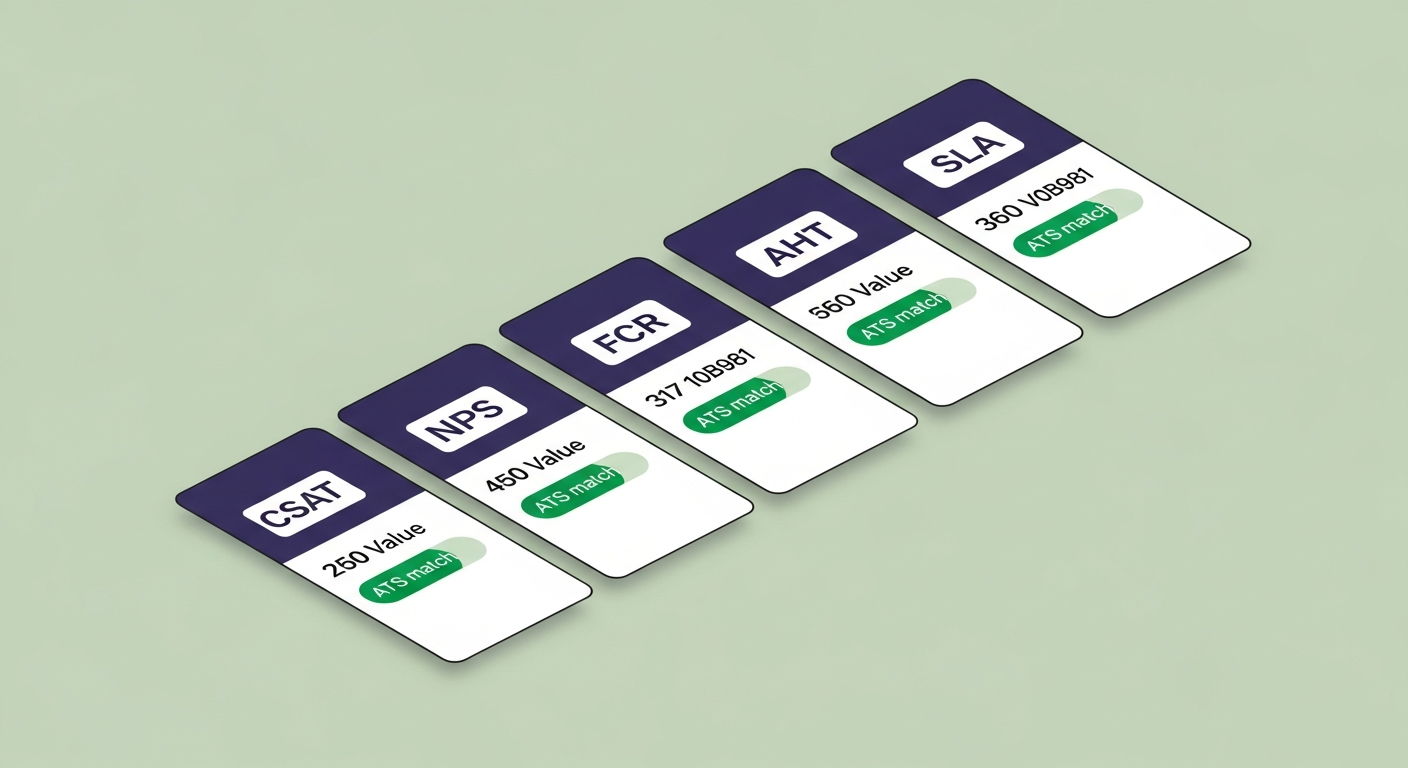
Metrics keywords do something the rest of the list cannot: they signal both technical familiarity and quantifiable performance in a single term.
An ATS that extracts "CSAT" from your resume knows you've worked in a performance-tracked environment. A recruiter who sees "maintained 95% CSAT for 18 consecutive months" knows roughly what level of performer you are. The abbreviation does a lot of work.
Use the industry abbreviations — they're what job descriptions use, and what ATS parsers look for. Writing "customer satisfaction score" when the description says "CSAT" is a synonym mismatch that most candidates never notice:
- CSAT — Customer Satisfaction Score; the most common performance metric in customer service job descriptions
- NPS — Net Promoter Score; common in SaaS, subscriptions, and enterprise CS roles
- FCR — First Contact Resolution; heavily weighted in call centre and support roles
- AHT — Average Handle Time; relevant for phone support and productivity-tracked positions
- TTR — Time to Resolution; common in email and ticket support contexts
- SLA — Service Level Agreement; appears in nearly every CS job description regardless of seniority
- QA score — Quality Assurance score; for roles with monitored calls or reviewed tickets
- CLTV — Customer Lifetime Value; used in customer success and account-focused roles
Where possible, put a number next to the abbreviation. "Maintained 94% FCR across 450+ weekly contacts" tells the recruiter everything and gives the ATS exactly what it's scanning for. The abbreviation is the keyword. The number is the proof. Both belong on your resume.
Honestly, if you have good metrics and you're not including them, that's the single highest-value fix you can make today. A 7.4-second resume scan — the documented average time a recruiter spends on initial review — lands much faster on "94% FCR" than on a bullet that reads "helped resolve customer issues efficiently."

Keywords by Role: CSR, Customer Success Manager, and Support Lead
The customer service umbrella covers a wide range of roles. The keywords that score for a Customer Service Representative don't overlap as much as you'd expect with the ones that score for a Customer Success Manager. Submitting a CSR keyword list for a CSM role — or vice versa — can actively hurt your score even if your underlying experience is relevant.
Customer Service Representative (CSR)
Focus: volume, tools, resolution metrics, and process adherence.
- Inbound call handling
- Ticket resolution
- First contact resolution (FCR)
- Average handle time (AHT)
- Script adherence
- Order management
- Returns and refunds processing
- Product knowledge
- CRM data entry
- Escalation handling
- Complaint resolution
- SLA compliance
Customer Success Manager (CSM)
Focus: retention, growth, and strategic account management. The vocabulary shifts significantly at this level.
- Customer retention
- Churn reduction
- Onboarding
- Upselling / cross-selling
- QBR (Quarterly Business Review)
- Account health
- Renewal management
- Net Revenue Retention (NRR)
- Expansion revenue
- Success plan
- NPS
- Stakeholder management
- Executive relationship management
Support Lead / Customer Service Manager
Focus: team performance, process design, and operational reporting.
- Team management
- Workforce management (WFM)
- Performance coaching
- QA program management
- Scheduling
- SLA design
- Reporting and analytics
- Training and onboarding
- Call centre operations
- Agent performance reviews
- Headcount planning
According to Jobscan analysis of over 1 million resume scans, job seekers who tailor their resume to each application are 3× more likely to get an interview. In customer service specifically, "tailoring" means matching the keyword set to the exact role type — not just swapping the job title at the top.
A CSR keyword list submitted for a Customer Success Manager role will score poorly for "churn reduction," "onboarding," and "QBR" — terms the algorithm is specifically looking for, that simply aren't on a standard CSR resume. The experience gap might not exist. The keyword gap does.
Where to Place Keywords for the Highest Score
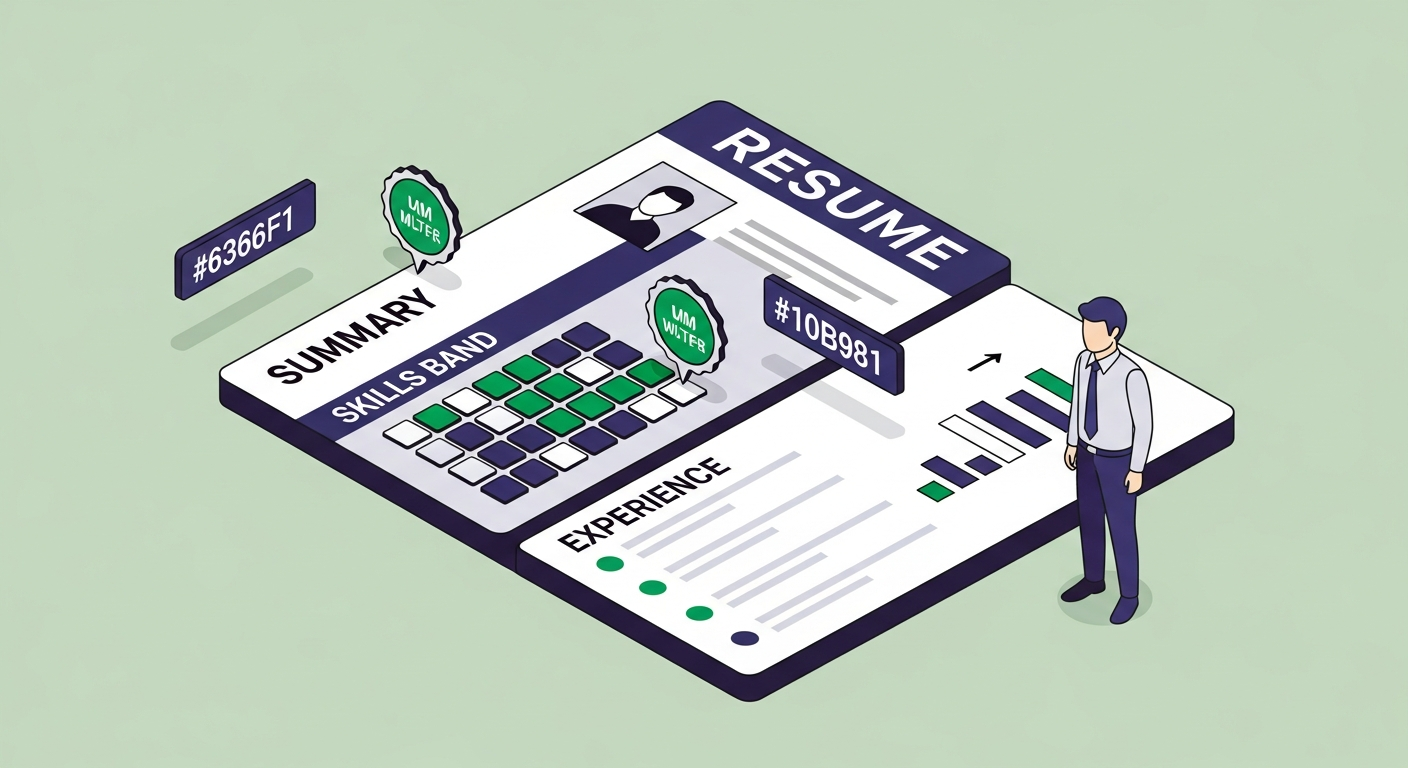
Placement matters almost as much as the keywords themselves. Most ATS platforms weight keyword frequency and location — a term appearing in your summary, skills section, and experience bullets scores higher than a term appearing once in a bullet point from three jobs back.
The Skills Section: Your Primary Scoring Field
Hard skills, tool names, and metric abbreviations belong here. List them cleanly, without descriptions or star ratings. ATS parsers extract the skills section as structured data — it's the highest-weight field on most platforms.
Format: comma-separated or line-by-line. No "Proficient in" prefixes. No skill bars. No rated expertise levels. Just the term, spelled exactly as it appears in the job description.
Learn more about which skills belong in the skills section and how to structure it for ATS scoring.
The Summary Section: First Impression, Double Score
Two to three sentences at the top. The summary is parsed early and weighted accordingly. Include your primary role keyword (exactly as written in the job description: "customer service representative," not "CS rep"), your main tool, and your most differentiating metric.
Example: "Customer service representative with 4 years managing inbound support queues in Zendesk. Maintained 94% CSAT and 91% FCR across 400+ weekly contacts. Specialise in SaaS product support and complaint escalation handling."
Every bolded term in that example is a keyword match against a typical CS job description. Three sentences, seven scoring terms.
Experience Bullets: Where Soft Skills Become Real Keywords
"Active listening" in your skills section is a claim. "Used active listening to de-escalate 25+ weekly escalation calls, achieving a 96% resolution rate without supervisor involvement" is both proof and a keyword hit on "de-escalate," "escalation," and "resolution rate." The ATS gets what it wants. The recruiter gets what they want. You get to move on to the interview.
Aim for frequency: if "FCR" appears in the job description, it should appear in at least two of your bullets, not just one. Most ATS platforms weight terms appearing multiple times across different sections more heavily than terms appearing once.
See the full breakdown of how to order and structure every section of your resume for ATS compatibility.
If you want to know how ATS keyword scoring actually works — the exact-match mechanism, frequency weighting, and why synonyms score zero — that's the place to start before you build your keyword list.
And once you've built your list, paste your resume into ATSFixer. We'll score it against the job description and show you exactly which keywords are missing — in about 30 seconds. Unlike the algorithm, we'll explain what went wrong.
You made it to the end of an article about resume keyword lists. The algorithm will not appreciate your dedication. Your next employer might.
Related from ATSFixer
Frequently Asked Questions
The highest-scoring keywords are tool names (Zendesk, Salesforce Service Cloud, Freshdesk), metric abbreviations (CSAT, NPS, FCR, AHT, SLA), and named process terms (ticket management, escalation handling, omnichannel support). Soft skills like "communication" and "problem-solving" appear on nearly every CS resume and score close to zero on most ATS platforms — they are too common to differentiate candidates.

Jordan Marcus
Senior Career Strategist
Jordan has reviewed 4,000+ resumes and coached candidates into roles at Google, Stripe, and McKinsey. She writes about the mechanics of ATS and what actually gets people interviews.