On this page
- What ATS Does With a Python Resume
- Python Resume Format: What Parses and What Breaks
- The Python Skills Section: What to List and What to Skip
- Python Keywords That Score vs. the Ones That Score Zero
- How to Write a Python Resume Summary
- How to List Python Projects on Your Resume
- Python Resume by Experience Level
- When ATS Doesn't Matter as Much for Python Roles
A Python resume goes through the same filter as every other resume — an ATS that doesn't know your commit history and doesn't care that you can explain recursion to a five-year-old. It scores your document against a keyword list and hands the ranked results to a recruiter. If your score is low, the recruiter never opens your file.
The problem for Python developers specifically is description drift. You've spent years explaining what your code does — "I built a data pipeline," "I developed a REST API," "I worked on a machine learning system." That framing is accurate and it means nothing to an ATS. The algorithm is looking for the specific names of the things you used: pandas, NumPy, FastAPI, Celery, PostgreSQL, Docker, pytest. Not descriptions of categories. Names.
Most Python developer resumes either skip the skills section entirely, list "Python" once and call it done, or fill the section with phrases like "data processing" and "backend development." Those phrases score zero on every major ATS. This guide covers what actually scores, why the format matters as much as the keywords, and when you don't need to optimise for ATS at all.
What ATS Does With a Python Resume
Tech companies run ATS at every size above roughly 50 employees. Startups scaling quickly use Greenhouse or Lever. Mid-size and enterprise companies run Workday, which is used by 45%+ of Fortune 500 companies. Older enterprise organisations run Taleo. The platform varies; the scoring logic is the same across all of them.
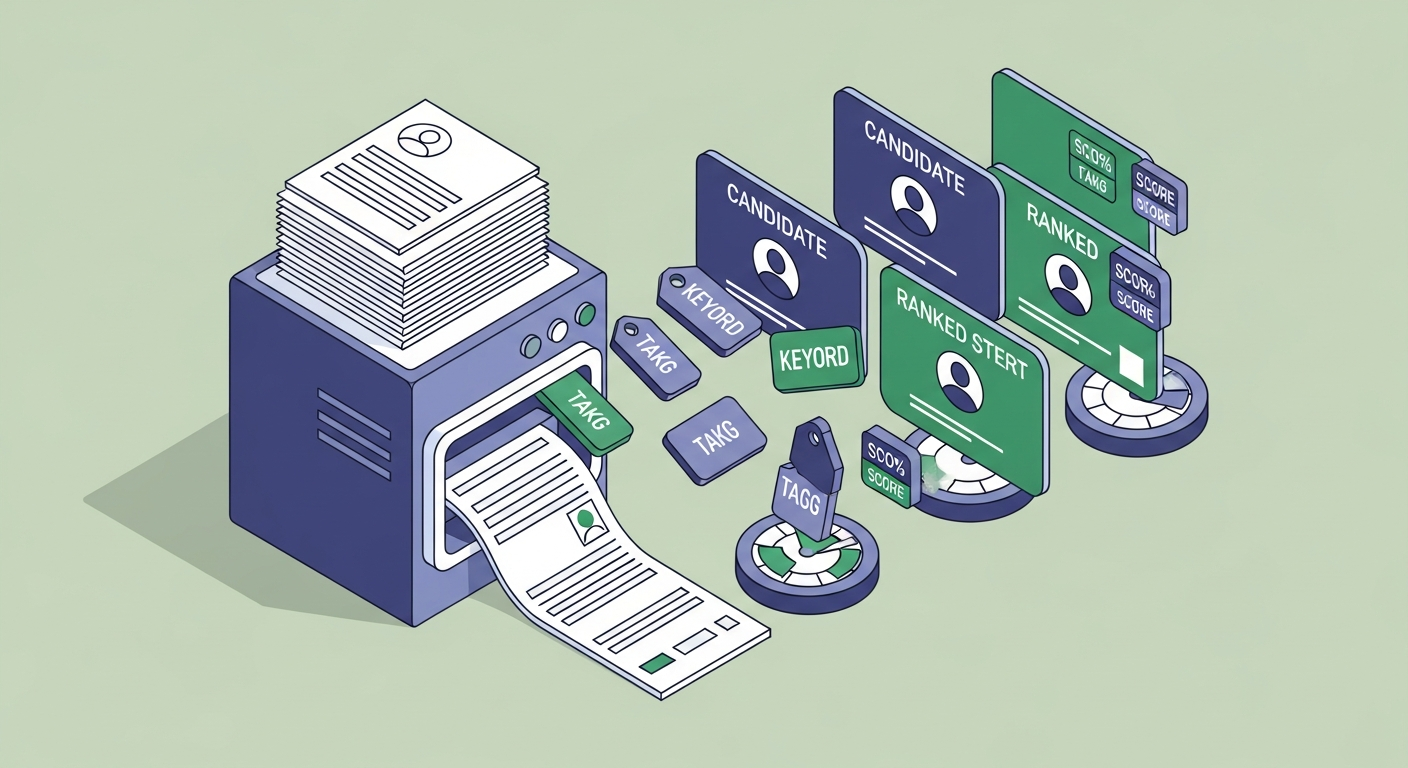
When you submit your resume, the ATS parses it — extracting raw text and mapping it into structured fields: name, contact information, job titles, companies, dates, education, and skills. Then it scores your document against the job description's required and preferred terms. That score is what determines your position in the recruiter's queue.
A recruiter at a 400-person tech company described her process publicly on LinkedIn: she opens the ATS, sorts by score, reads the top 15. The cutoff is roughly 65 out of 100. Anyone below that threshold is never opened — not because she decided they were unqualified, but because the list is too long to read past position 15. The algorithm sorted the stack before she arrived. She starts at the top.
According to Jobscan's research, 75% of resumes are rejected by ATS before a human reads them. Python developers are not in a special protected category. Your GitHub stars don't show up in the score.
The ATS can't visit your GitHub profile. It can't run your code, evaluate your pull requests, or admire your test coverage. It can read the characters on your resume and confirm whether those characters match the job posting's keyword list. That's the whole system. (I've explained this to engineers who look personally offended. The algorithm, for the record, is indifferent.)
For a full breakdown of how ATS parsing and ranking works across platforms, see our guide on how ATS systems filter and score candidates.
Python Resume Format: What Parses and What Breaks
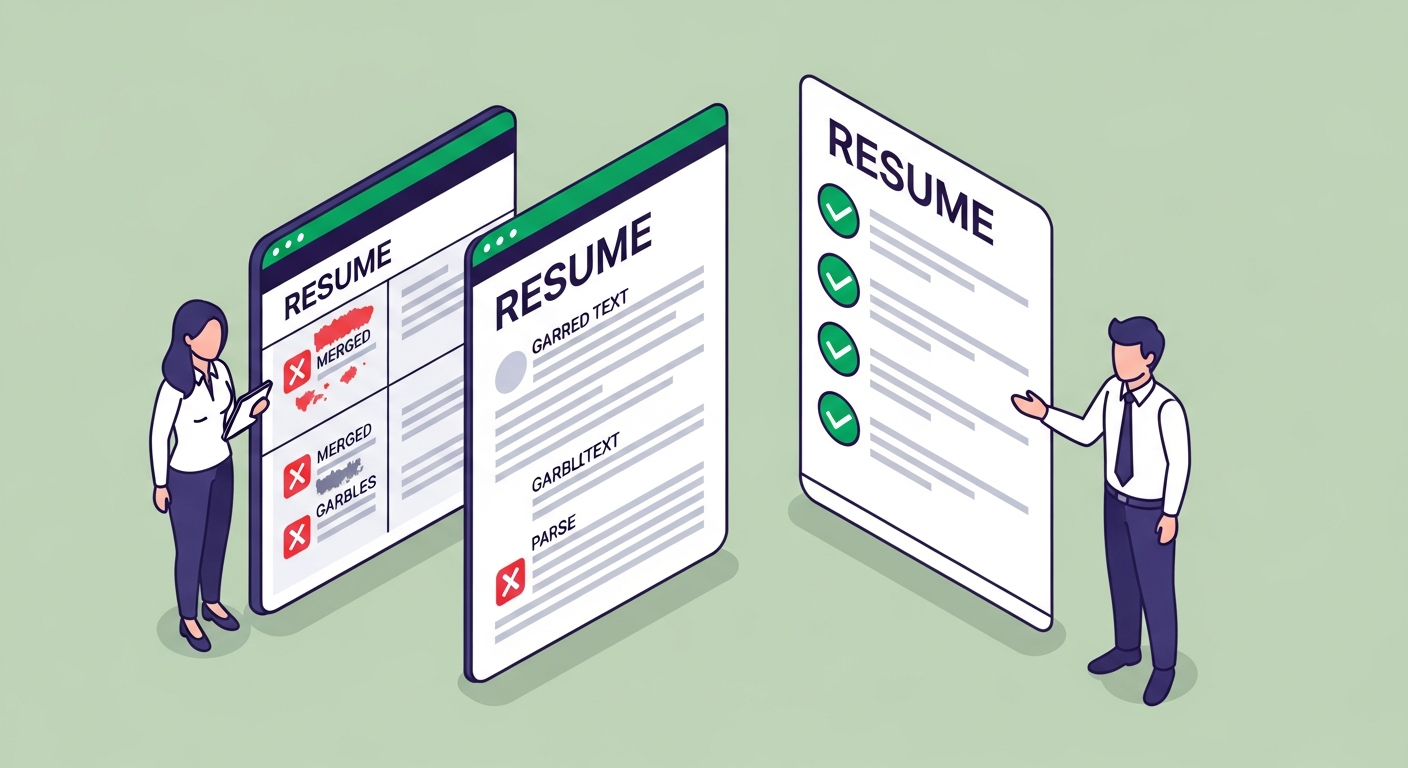
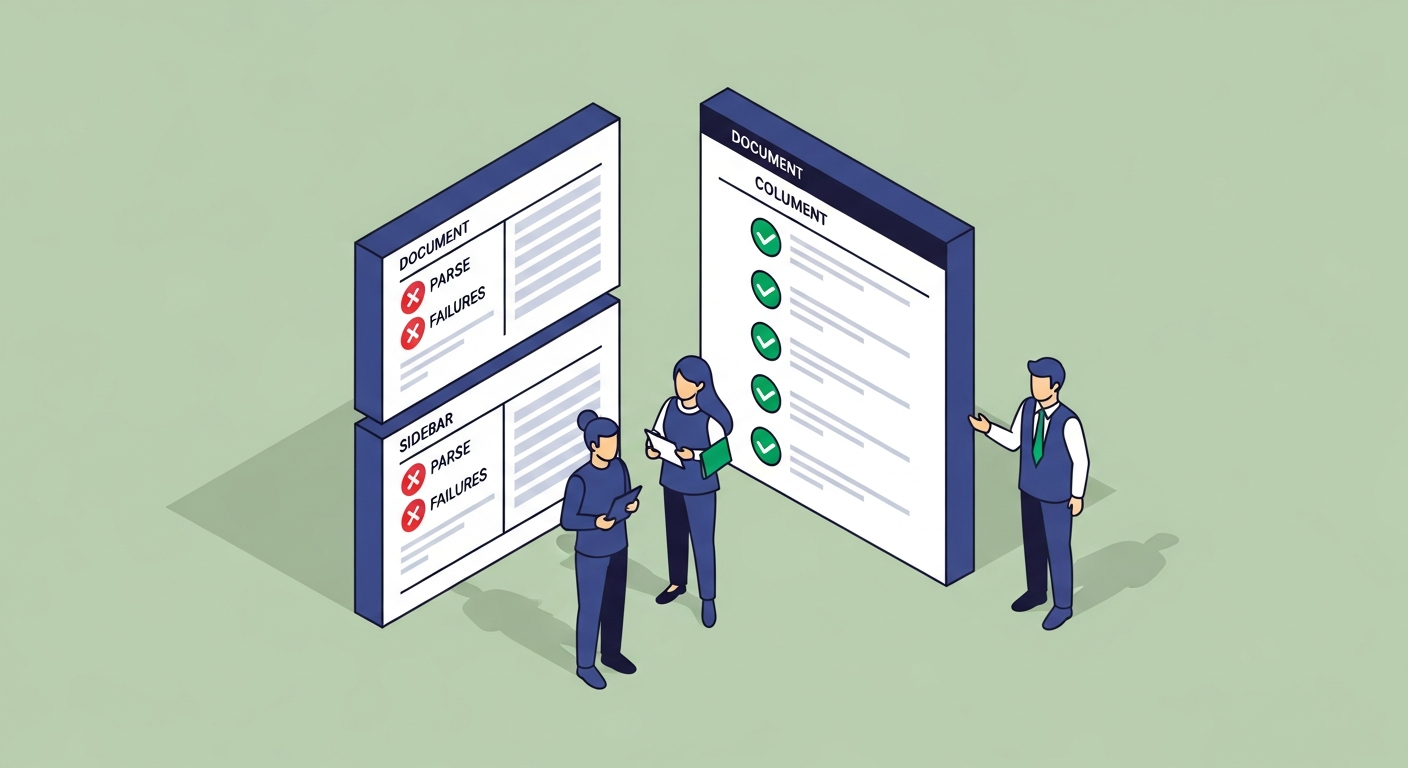
The format problem in Python developer resumes tends to come from one source: design-forward templates that look good in a portfolio screenshot and break every major ATS parser. Two columns. A sidebar for technical skills. An icon grid for proficiency ratings. A header with a custom font. Every one of those elements causes parsing failures.
In ATSFixer's internal testing, 1 in 3 resumes submitted through Workday are corrupted during parsing due to columns, tables, or text boxes. A software engineer with eight years of experience — skills listed in a left sidebar, experience on the right — submitted his resume through Workday and scored 12 out of 100. The parser read both columns left-to-right in a single pass, merging his skills list with his job titles into garbled text. The system couldn't extract his employer names, titles, or dates. He looked like a blank page. He converted to single-column format, same content, no other changes. New score: 71. Interview request that week.
Python developer resume templates on GitHub and Canva are the specific offenders here. They look like a coding portfolio and parse like a corrupted file.
Format rules that prevent parsing failures:
- Single column only. No sidebars, no two-column layouts, no text in table cells. Every section runs full-width, top to bottom, in reading order.
- Standard section labels. Use "Work Experience," "Skills," "Education," "Projects," "Certifications." Not "My Stack," "What I've Built," or "Tech I Know." The parser maps section headings to fields — unconventional labels create field-mapping failures.
- Text-based PDF only. If you can't select and copy text from your PDF, neither can the parser. Image-based PDFs score zero. Export from Word, Google Docs, or LaTeX — not from a design tool like Figma or Canva.
- No icons, graphics, or rating bars. Skill proficiency bars displayed as graphics are invisible to the ATS. The parser reads text, not images. If your Python proficiency is shown as four filled dots out of five, that contributes nothing to your score.
- Standard fonts, single size for body text. Unusual fonts sometimes trigger character encoding issues that corrupt the parsed output. Use Arial, Calibri, Cambria, or Times. Body text at 10–11pt.
On length: a Python developer resume with ten-plus years of experience should be two pages. A single-page resume forces you to cut keywords, context, and proof. The ATS doesn't penalise two pages. A recruiter spending 7.4 seconds on an initial scan — the Ladders eye-tracking study average — doesn't penalise two pages either. The penalty comes from missing keywords, not from a second page.
The Python Skills Section: What to List and What to Skip
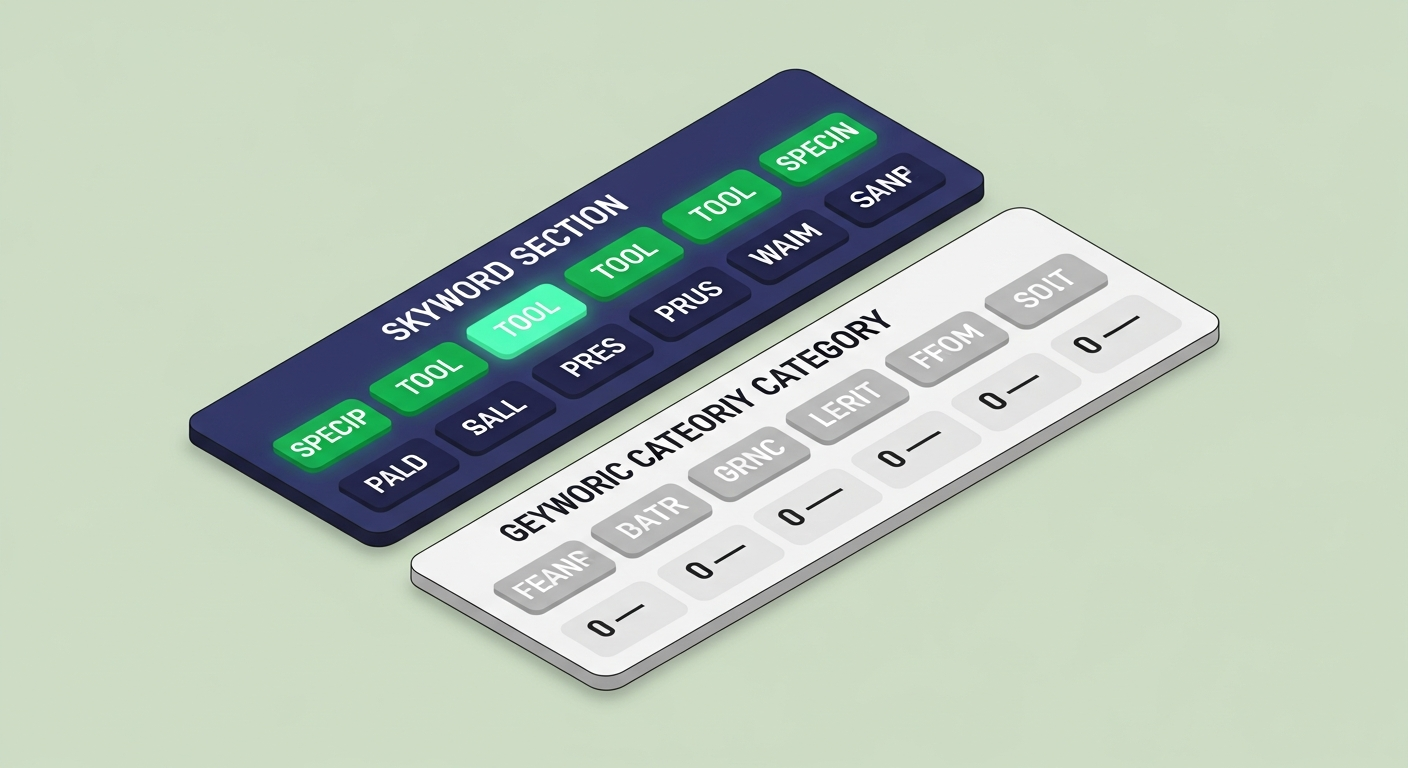
The skills section is the most under-used part of a Python developer resume. It's where ATS parsers extract structured keyword data as a dedicated field — and it scores twice: once as a specific field match, once in the full-text scan. Most Python resumes either skip it or fill it with soft skills the algorithm ignores.
List hard skills only. Specific names. No descriptions, no adjectives, no proficiency ratings.
Categories that make sense for a Python skills section:
- Languages: Python, SQL, JavaScript, TypeScript, Bash — list the language names, not descriptions of what you use them for.
- Frameworks & Libraries: Django, FastAPI, Flask, pandas, NumPy, SQLAlchemy, Celery, Pydantic, scikit-learn, PyTorch, TensorFlow — whatever you actually use by name.
- Databases: PostgreSQL, MySQL, MongoDB, Redis, Elasticsearch, SQLite — specific product names, not "relational databases" or "NoSQL solutions."
- Cloud & Infrastructure: AWS, GCP, Azure, Docker, Kubernetes, Terraform, GitHub Actions, CircleCI — again, the product name, not the category description.
- Tools: Git, pytest, Jupyter, VS Code, Postman, Kafka, Airflow, dbt — tools by name.
What to skip: "proficient in Python" (obviously, since Python is in your title), "team player," "strong communicator," "problem solver." The algorithm knows to look for the library names. "Strong communicator" appears on 80% of developer resumes and scores zero on every platform we test against.
If you work with large language models or generative AI, the same naming rule applies — but the specific terms are newer. List LangChain, LlamaIndex, OpenAI API, Hugging Face Transformers, or whatever you actually use, not "AI integration experience" or "worked on LLM pipelines." ATS keyword dictionaries for tech roles are updated constantly by their vendors — the tool names are searchable; the category descriptions are not.
How many to list: 12–20 items is the right range. Under 12 and you're probably missing keyword coverage from the job description. Over 25 and you're starting to list things that make a recruiter's eyebrow move — in the wrong direction.
For a full breakdown of which hard skills score on ATS and how to structure the section, see our hard skills examples guide.
Python Keywords That Score vs. the Ones That Score Zero
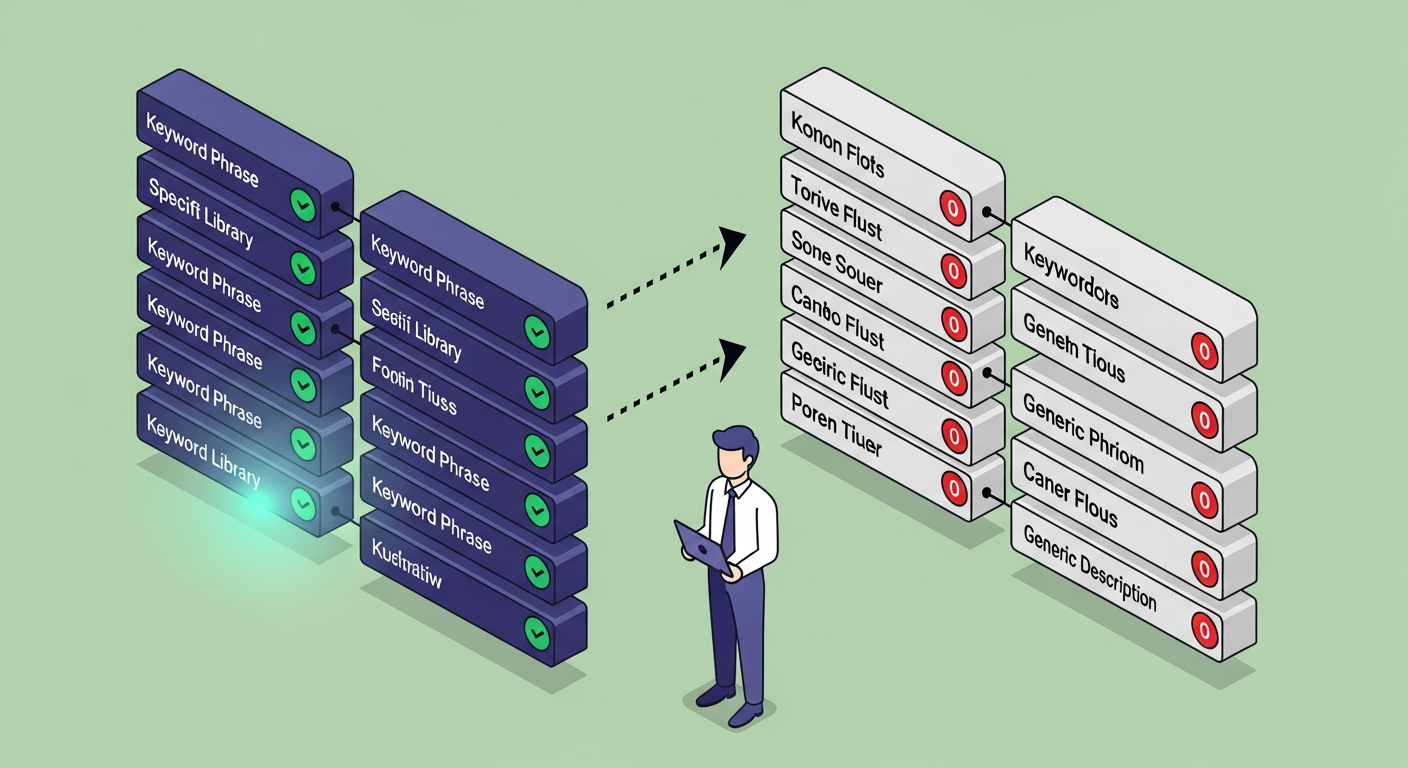
This is the part that trips up almost every Python developer resume. ATS systems do exact-match keyword scoring on most platforms. Synonyms, descriptions, and category names — even perfect ones — score zero. A project manager who applied for a role listing "stakeholder communication" as a required skill wrote "cross-functional collaboration" on her resume. Same thing to any human. Zero on the ATS. She changed two phrases, got the interview, got the job.
The same pattern runs through Python resumes constantly. A data analyst applied for a role that listed "pandas" and "NumPy" as required skills. Her resume said "extensive experience with Python data manipulation libraries." The ATS looked for "pandas" and found nothing. She updated two lines — replaced the category description with the specific library names. Got the interview.
The table below shows the most common version of this problem on Python resumes:
| Phrase that scores | Description that scores zero |
|---|---|
| pandas | data manipulation library |
| NumPy | numerical computing library |
| FastAPI | web framework for APIs |
| PostgreSQL | relational database |
| Docker | containerization tool |
| Redis | caching layer |
| pytest | unit testing framework |
| Celery | async task queue |
| scikit-learn | machine learning library |
| REST API | web services experience |
The ATS isn't reading for comprehension. It's checking for character strings that match its keyword dictionary. "Containerization tool" doesn't contain the characters D-o-c-k-e-r, so Docker scores zero. This is why mirroring the job description's exact language matters — not just the concepts, but the words themselves.
Check the job description before every application. If it says "Celery" and your resume says "async task processing," your score for that requirement is zero. Change it to "Celery." Takes 10 seconds. If you've used Celery, there's no reason to describe it rather than name it.
Keywords appearing in both your skills section and your work experience bullets score higher than keywords that appear only once — most ATS platforms weight frequency and placement. A library that shows up in your skills section and in two experience bullets is scoring in multiple places simultaneously.
To see how keyword placement affects your actual ATS score, run your Python resume through ATSFixer's free resume checker. It shows you exactly which terms you're missing and where to add them.
Free ATS Score Check
Your result looks like this —
get yours in 30 seconds.
Drag & drop your resume here
PDF or Word · max 10 MB
Results in under 30 seconds · no sign-up required
How to Write a Python Resume Summary
The resume summary sits at the top of the document and is one of the first things both the ATS parser and the recruiter see. For Python developers, it needs to do two things simultaneously: score keyword matches for the ATS and tell a human reader what you actually do in under three sentences.
The structure that works is straightforward. Lead with your role title (using the exact title from the job description, not your own preferred framing), add your years of experience, then name your core specialization or the type of systems you build. Then include the three or four most important technical keywords from the posting.
A summary that works:
Python developer with six years of experience building backend services and data pipelines. Specialises in FastAPI, PostgreSQL, and AWS — designed and shipped distributed systems handling eight million daily transactions. Currently expanding into MLOps with PyTorch and Kubeflow.
What's working there: "Python developer" is the exact role title. The specific tools are named. There's a quantified result. The last sentence signals current focus without padding the word count.
A summary that scores nothing:
Experienced software professional with a passion for developing innovative solutions using modern technology stacks. Proven track record of delivering high-quality results in fast-paced environments. Strong collaborator with excellent communication skills.
That second one has zero hard skill keywords. The ATS sees generic adjectives. The recruiter sees filler. (Whoever wrote it thought they were writing a professional-sounding summary. They were writing a confession that they ran out of things to say.)
Keep the summary under four sentences. Every sentence should either name a skill, describe a system, or attach a number to something you built. No soft adjectives. No claims about your passion for technology. The reader has 250 applications in the queue and is sorting by score.
For more resume summary approaches and examples broken out by career stage, see our resume introduction examples guide.
How to List Python Projects on Your Resume
Projects matter on a Python resume — especially for early-career developers, career changers, and anyone whose job titles don't obviously reflect their Python experience. But a projects section only scores if it contains the right text.
The ATS doesn't visit GitHub. A link to your repository contributes nothing to your keyword score. The actual library names need to appear in the text on your resume.
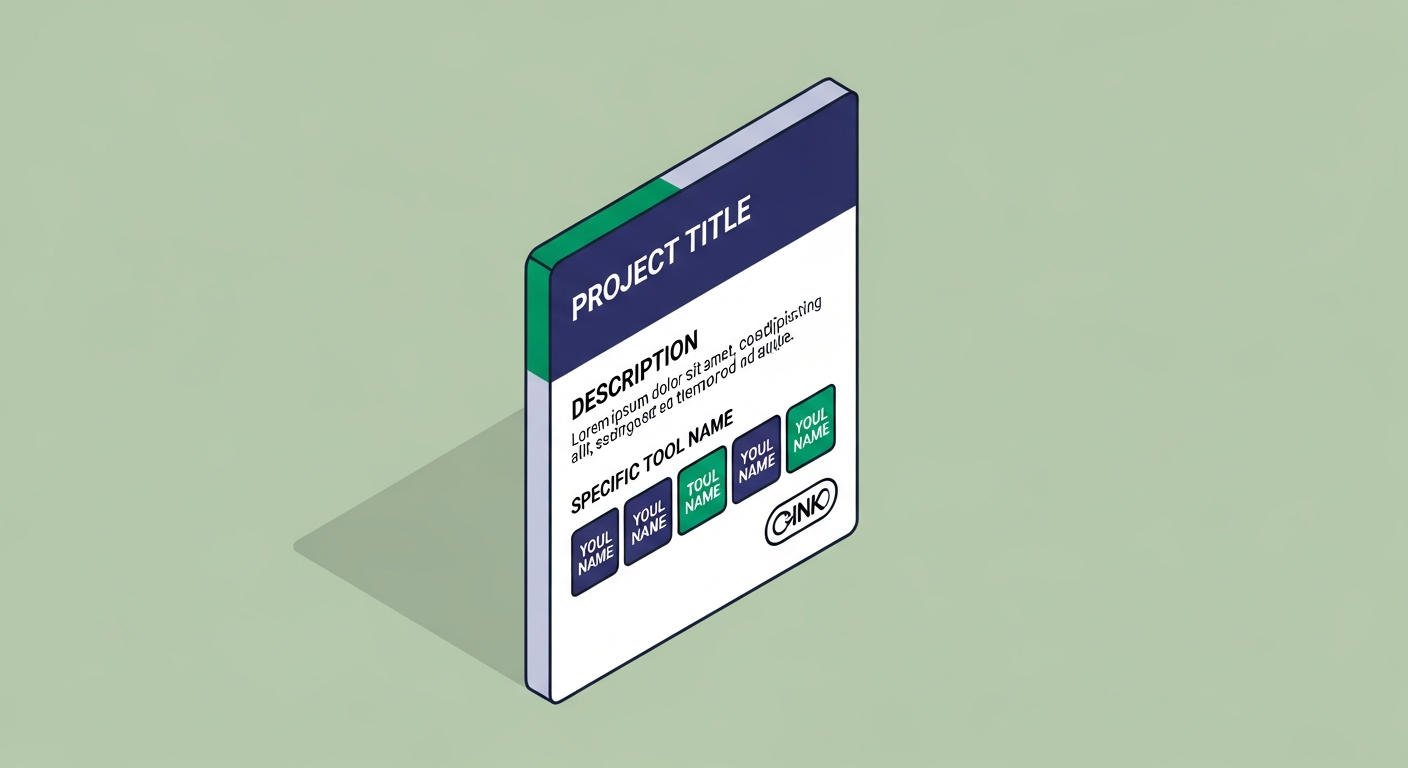
Format for each project entry:
- Project name (something descriptive, not "My Portfolio Project")
- One-line description of what it does — include the domain (e-commerce, healthcare data, financial modeling, etc.)
- Technologies used — list the specific tools by name: "Built with FastAPI, PostgreSQL, Redis, and Docker; deployed to AWS EC2"
- One quantified detail if available — requests per second, dataset size, number of users, time saved
- GitHub link at the end — helpful for the human reader, invisible to the ATS
A project entry that works:
Real-Time Price Alert System
Monitors e-commerce pricing data across 12,000 SKUs using scheduled scraping and stores alerts in Redis. Built with Python, FastAPI, Celery, Redis, and PostgreSQL. Processes 40,000 price checks daily with sub-100ms alert delivery. github.com/username/price-alert
Note that "FastAPI," "Celery," "Redis," and "PostgreSQL" appear in text — not as icons, not as tag bubbles in a design-heavy layout. They're parseable characters that score as hard skills.
How many projects to include: two to three is usually the right number. More than that and you're crowding out experience bullets that carry keyword weight. Each project should add new keywords that aren't already in your skills section or experience — otherwise it's word count without scoring value.
On the GitHub link question: include it, but don't rely on it. The recruiter might visit your profile after your resume passes ATS screening. But the ATS has already decided whether to surface you before the recruiter clicks anything. Your resume text has to do the scoring on its own.
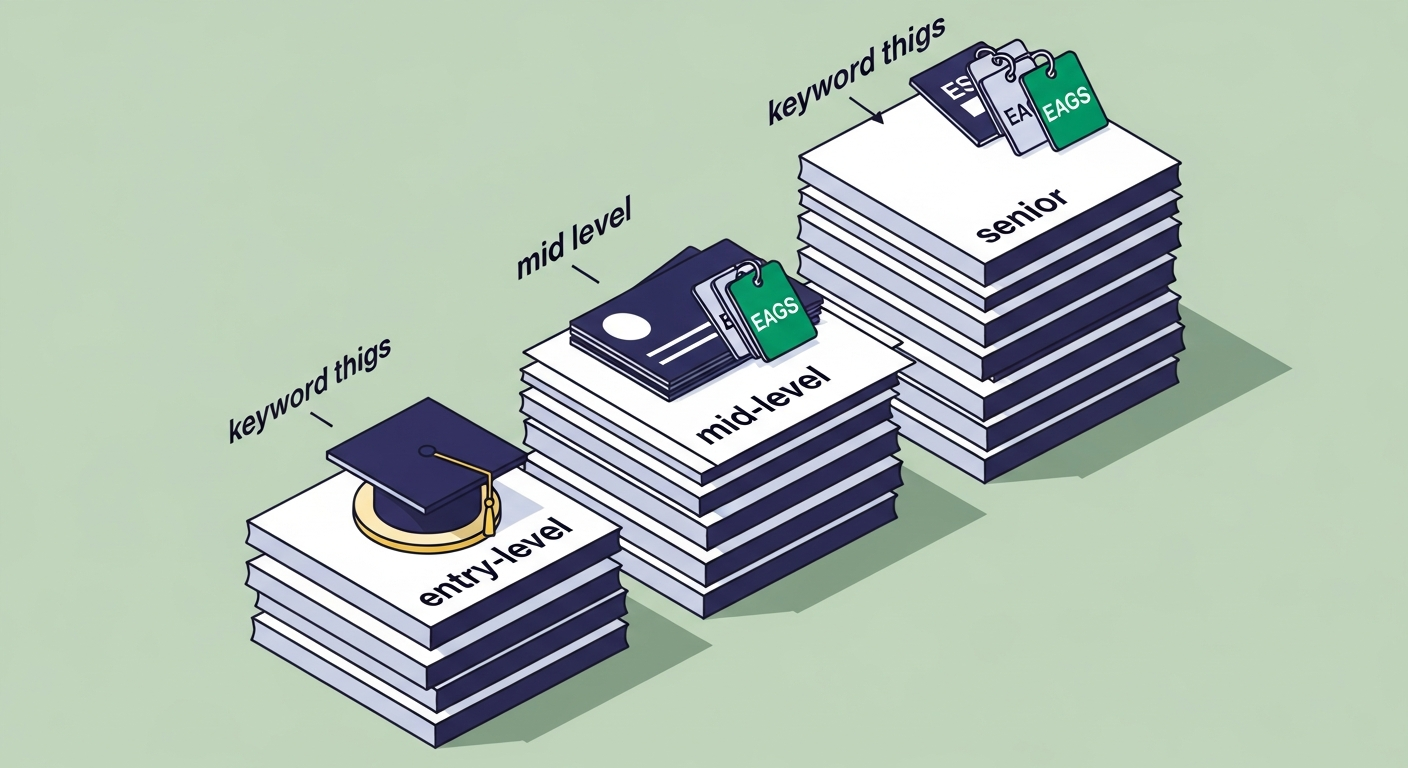
Python Resume by Experience Level
The structure of a Python resume should shift depending on where you are in your career. Not because the ATS cares about experience level — it doesn't, it just counts keyword matches — but because different stages have different evidence available to support keyword claims.
Entry-Level Python Developer (0–2 Years)
If your work experience is limited or non-Python, lead with your skills section and projects section before experience. The ATS scores keyword placement — skills listed near the top of the document score better than keywords buried halfway down.
Include coursework, bootcamp projects, and academic work. The ATS doesn't filter by whether your experience was paid. A capstone project where you built a Django application with PostgreSQL and deployed it to Heroku names three scorable keywords. List them.
One honest caveat: if you're applying to a company with 50+ employees that routes applications through Greenhouse or Workday, your ATS score will compete against developers with two to five years of experience. The keyword matching helps. It won't make a 0-year developer indistinguishable from a 4-year developer to a human reader. But it gets you past the ATS filter, which is the first gate. Job seekers who tailor their resume are 3× more likely to get an interview, according to Jobscan analysis of over one million resume scans — that number holds for entry-level candidates too.
Mid-Level Python Developer (2–5 Years)
Lead with experience over skills. The experience section is where ATS platforms weight keyword density most heavily — a keyword appearing in a bullet point inside a dated work experience entry carries more scoring weight on some platforms than the same keyword in a skills list.
Quantify where possible. Not every bullet needs a number, but the ones that describe scope or impact should have one. "Reduced query execution time by 40% by rewriting a critical SQLAlchemy join chain" tells both the ATS (SQLAlchemy, query optimisation) and the recruiter (context, evidence of impact) what they need.
Senior Python Developer (5+ Years)
Architecture decisions, team scope, and system scale matter at this level — both for the human reader and for the specific keywords they generate. "Architected a microservices system using Python, Kafka, and Kubernetes for a platform serving two million users" names three specific tools and establishes the scope without vague claims about leadership.
Two pages is expected at senior level. The keyword coverage from a 10-year career won't fit on one page without sacrificing the terms that score. Our post on how many pages a resume should be covers the exact thresholds — the short version is: one page is for early-career, two pages is standard for 5+ years of experience.

When ATS Doesn't Matter as Much for Python Roles
Honestly, not every Python role runs through an ATS. Several situations shift the math:
Small companies (under 50 employees). Most early-stage startups don't use Greenhouse or Workday — they're using a shared inbox, a spreadsheet, or a lightweight tool that doesn't score resumes. If you're applying to a 12-person startup, keyword optimisation matters less than a clear, honest document that a human can read in 90 seconds.
Referrals. If someone inside the company submits your resume directly or forwards your application, it often bypasses the normal ATS queue or gets flagged for manual review. The referral is doing more work than the ATS score. Build relationships. The job board is real, but 70% of roles are filled before they're publicly posted — through networks, referrals, and internal candidates, according to LinkedIn's Economic Graph data.
Open source contributions and direct outreach. If you've contributed significantly to a well-known Python library or framework, that's a calling card that many hiring managers will respond to directly. The ATS never sees a cold message on LinkedIn or a direct email to an engineering lead.
Freelance and contract work. Clients hiring a Python contractor for a specific project often just want to see your portfolio, your GitHub, and three minutes of conversation. No ATS screening. They're not processing 250 applicants — they're evaluating three to five people they've already identified.
If ATSFixer is useful to you, it's when you're applying to companies with 50+ employees through job boards where applications route through an ATS. That covers most corporate and mid-market tech hiring. If you're applying to startups through referrals or sending direct outreach, the keyword optimisation matters less. We'd rather tell you that than have you optimise a resume for a filter that isn't running.
You've spent years writing code that actually runs. Paste your resume into ATSFixer and we'll tell you which keywords the algorithm is looking for — and unlike a failed CI pipeline, the fix usually takes less than ten minutes.
Related from ATSFixer
Frequently Asked Questions
List specific library and framework names rather than descriptions of what you use them for. Include your core language (Python), frameworks (Django, FastAPI, Flask), data tools (pandas, NumPy, SQLAlchemy), cloud and infrastructure (AWS, Docker, Kubernetes), databases (PostgreSQL, Redis, MongoDB), and testing tools (pytest). ATS systems score exact name matches — "pandas" scores; "data manipulation library" scores zero.

Jordan Marcus
Senior Career Strategist
Jordan has reviewed 4,000+ resumes and coached candidates into roles at Google, Stripe, and McKinsey. She writes about the mechanics of ATS and what actually gets people interviews.